The Renaissance of Night Rail Across Continental Europe
Stepping aboard the quiet compartments re-establishing the romantic art of continental passage.
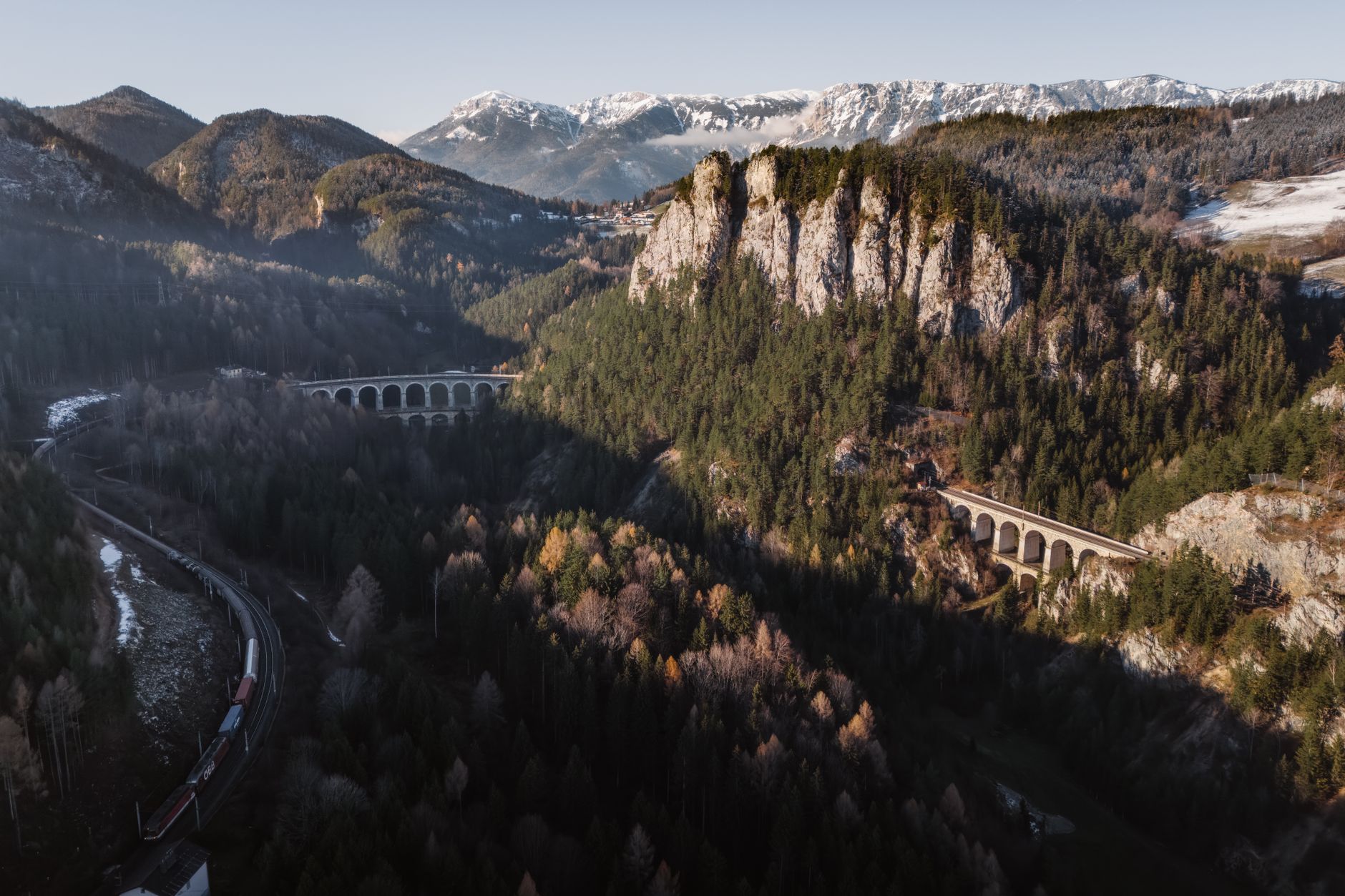
There is an incomparable ceremony to parting with a city after sunset. The platform lamps of Vienna Hauptbahnhof cast long, cinematic shadows against the deep midnight-blue hulls of the night wagons. While regional aviation hurries travelers through antiseptic security corrals and crowded terminals, the sleeper compartment welcomes you with wood veneers, linen sheets, and the gentle harmonic hum of iron gliding along tracks.
A Return to Slowness
For decades, budget airlines promoted the illusion that moving between distant capitals in ninety minutes was the pinnacle of human freedom. What was concealed was the friction: airport delays, luggage friction, and the psychic dislocation of being dropped abruptly into a foreign climate without transition. On the night rail, your voyage is continuous. You fall asleep while crossing the Austrian border and awaken to the dawn mist burning off the Rhine riverbanks.
"Speed flattens geography into abstract coordinates. The sleeper train reinstates scale, texture, and the dignity of distance."
Cabin Life & Tactile Quiet
Modern luxury in rail travel has less to do with gold trim and more with deliberate isolation. Wi-Fi connections through mountain passes remain delightfully temperamental, forcing travelers to set aside glowing screens in favor of printed paper, sketchbooks, and whispered conversations over carafes of Grüner Veltliner.
As governments across France, Germany, Austria, and Scandinavia coordinate investments to link Rome, Brussels, and Stockholm, the revival of the night train offers more than carbon reduction: it delivers a profound sanctuary for travelers seeking to reclaim their internal equilibrium.